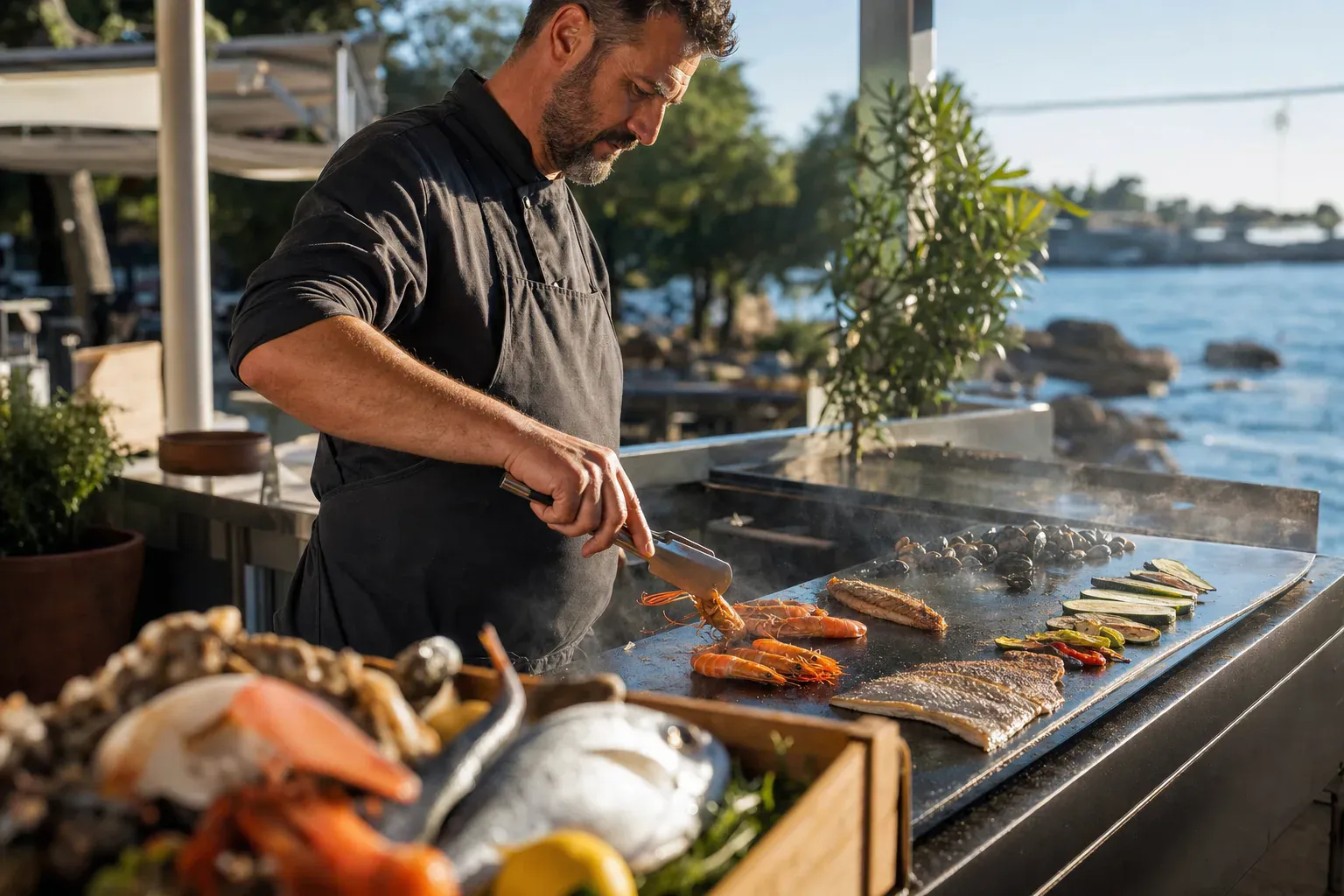
Fish, prawns and octopus grilled on the plancha by the sea on the Côte Bleue
The chef's notebook

The Mediterranean plancha: the guide to plancha-grilled seafood on the Côte Bleue

In short

The plancha is the king of Mediterranean coastal cooking: a white-hot steel plate that sears prawns, octopus, sea bream and squid in minutes, with almost no fat, for a golden crust and a pearly heart. The secret: a very hot plate, a drizzle of olive oil with garlic, parsley and lemon, and never over-turning. This guide covers the star products, Provençal marinades, the at-home method and the pairings behind plancha-grilled seafood on the Côte Bleue.

On the Côte Bleue, when the plate starts to sizzle and the smell of grilled garlic and parsley meets the salty terrace air, everyone knows the meal will be good. The plancha is not a trend: it is the natural cooking method of the Mediterranean coast, the one that best respects fish landed at the harbour that very morning.

Why does it reign here? Because it preserves flavour without masking it, cooks healthily with almost no fat, and is convivial. This guide opens the chef's notebook: the star products, the Provençal marinades, the right temperature, the cooking order and the pairings that make a plate sing facing the sea.

What plancha cooking is, and why it elevates seafood

The plancha is a smooth steel or cast-iron plate, heated from below to 250-300 °C. Unlike a grill, there are no bars or open flames: the surface is solid, the heat even, and contact with the food is total — exactly what makes the difference on seafood.

At that heat, a prawn or a sea bream fillet sears in seconds. A golden crust forms, the juices seal inside, and the heart stays pearly. No fat needed: a drizzle of olive oil is enough. The result is healthy, light and lets the briny flavour lead.

And it is convivial: you cook in front of your guests, service is fast, and on ultra-fresh fish the plancha wakes the product up without betraying it.
Plancha, barbecue or grill: the comparison

The barbecue adds smoke but its flame is fickle and fragile fish stick or fall between the bars. The oven grill misses the real sear and tends to dry out. The plancha sears without damaging and captures the juices — the best compromise for delicate seafood.

Three cooking methods for seafood, at a glance
CriterionPlanchaBarbecueGrill / oven
HeatSmooth plate 250-300 °CEmbers, open flameElement or grill
ContactSolid, even surfaceBars, uneven zonesIndirect
Fragile fishIdeal, won't stick if well searedMay stick or breakDries fast
FlavourBriny, lightly crispStrongly smokyNeutral

The flash sear that keeps fish tender

The whole skill is patience. At high heat the Maillard reaction browns the surface and builds aroma. Move the food too soon and the crust hasn't formed, so it sticks. The rule: place it, don't touch it, let it work.

The product tells you when it is ready — once seared, it lifts off the plate on its own. Turn it once, finish the other side, done. Times are short. Over-turning or over-cooking trades the pearly tenderness for dryness. The plancha rewards restraint.

The stars of the plancha on the Côte Bleue

Our deliveries arrive each morning from the Sausset-les-Pins harbour. Here are the products that shine on the plancha — and for the same sea in pasta form, see our clam linguine and pastis-flambéed prawns. You can also find the full seafood menu.

Flambéed prawns and shrimp

The prawn is made for the plancha. Its shell protects the flesh while the plate sears it: cook it whole, two to three minutes per side, and pull it off as soon as the shell turns orange-red. A pastis flambé at the very end perfumes without overpowering.

The classic trap is drying them out — they keep cooking off the heat, so remove them slightly early. Shrimp cook even faster. Garlic, parsley, sea salt and a squeeze of lemon: nothing more.

Grilled octopus, the perfect texture

Octopus needs two stages: a gentle simmer to tenderise, then a firm sear on the plancha to caramelise the tentacles. That first step is the difference between tender and rubbery.

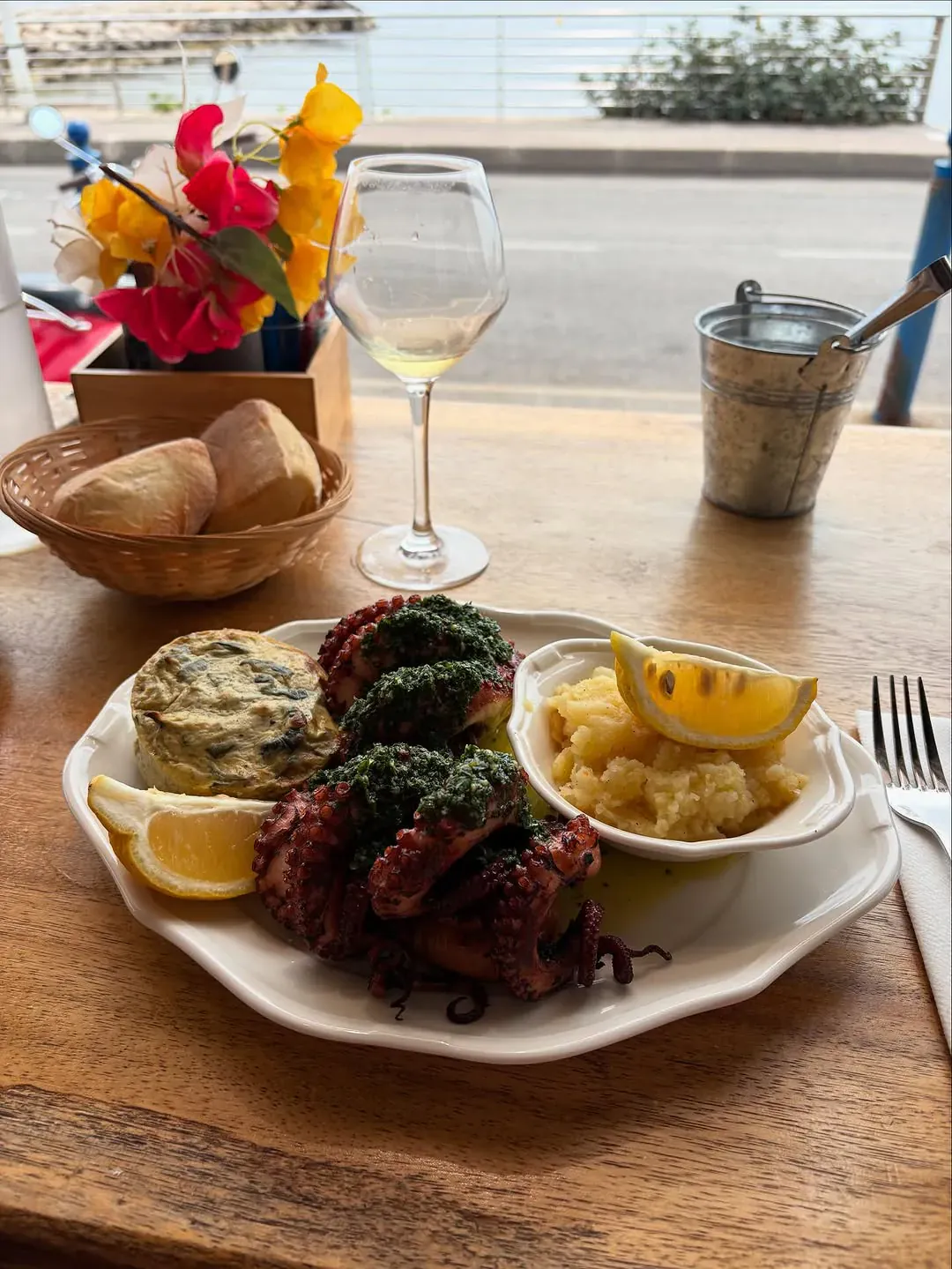
Finish with persillade — garlic, parsley, olive oil, sea salt. Meltingly soft inside, crisp outside, served with purée or grilled vegetables from the same plate. One of the most-ordered dishes on our terrace.

Plancha-grilled octopus in persillade, served on the sea-view terrace

Whole fish: sea bream, sea bass and steaks

For whole sea bream or bass, the skin is your ally: score it, oil it, and start skin-side down on a hot plate. Allow six to eight minutes per side depending on size, until the flesh lifts from the bone.

Steaks and fillets are more delicate: cook them skin-side first, then just briefly on the flesh side. The goal is golden skin and juicy, pearly flesh. A shared whole fish is the very spirit of the Côte Bleue.

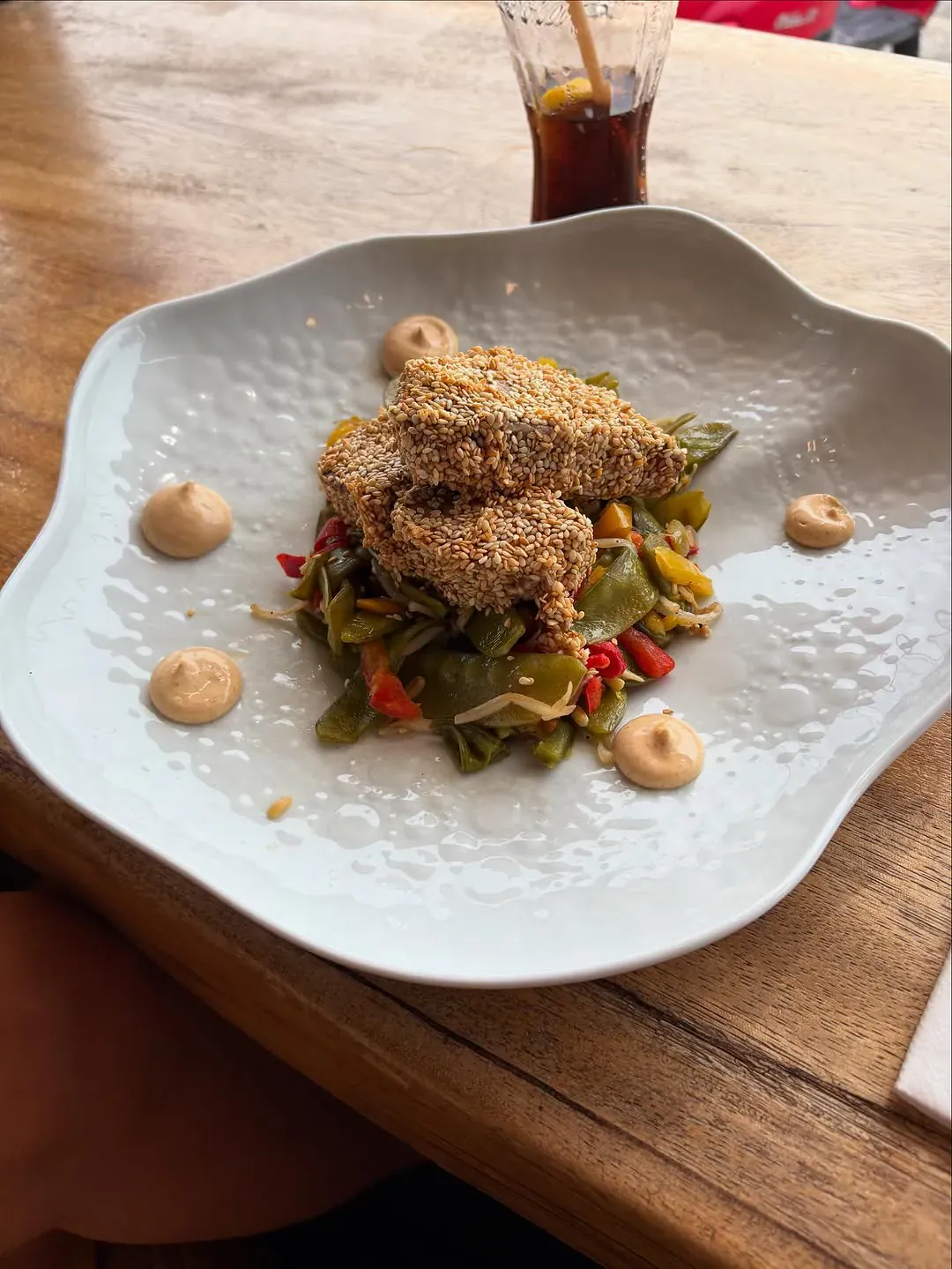
Grilled fish with vegetables, prepared on the plancha at Le Spot

Squid, cuttlefish and calamari

Squid, cuttlefish and calamari follow one merciless rule: very short or very long, never in between. On the plancha, go very short — a scorching plate, one to two minutes, then off. A second too long and they turn rubbery.

Well seared, they are tender and pearly with just enough crisp edges. Generous persillade, lemon at the last second: Mediterranean simplicity at its best.

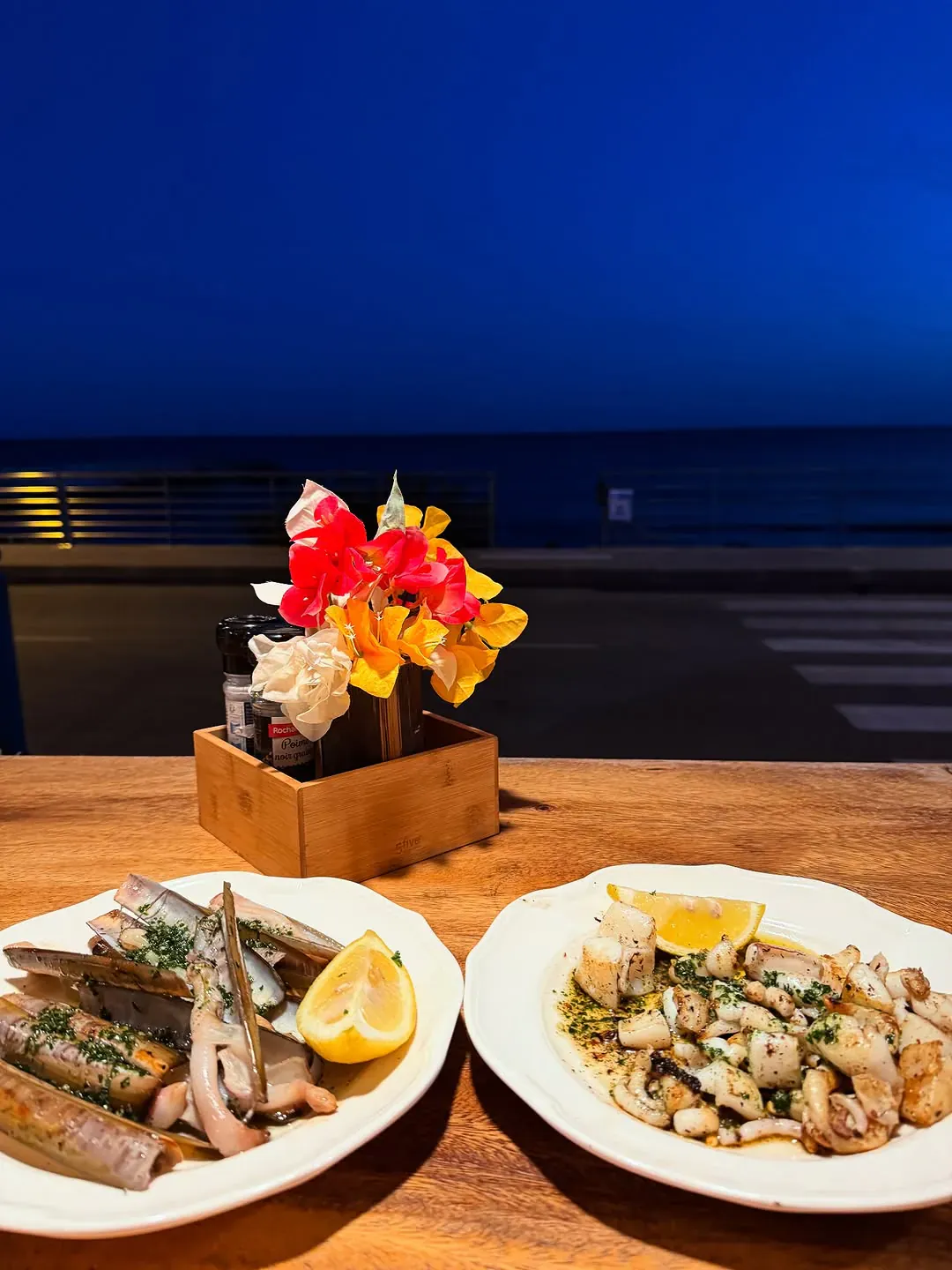
Plancha-grilled calamari and razor clams, served with lemon

Mediterranean marinades and seasonings

The base stays the same: good olive oil, garlic, flat-leaf parsley, lemon and sea salt. Enrich it with a pinch of Espelette pepper, smoked paprika or herbes de Provence for whole fish.

Lemon zest brings freshness and a touch of saffron flatters a sea bream. But beware over-marinating: too much lemon "cooks" and floury-fies the flesh. Fifteen to thirty minutes is plenty, and salt at the end. Avoid a lukewarm plate and over-turning.

Nailing the plancha at home: temperature, order and timing

A steel or cast-iron plancha, a smooth gas plate or even a heavy pan will do, with a wide spatula and an oil brush. The key is preheating: a water drop must dance and vanish at once.

Order matters as much as heat: start with what takes time — pre-cooked octopus, whole fish — and finish with prawns and squid. Group products by zone.

Anti-stick secret: a hot plate, a dry product (pat it), and oil the product rather than the plate to avoid smoke. Then be patient: it lifts off when the crust is ready. Clean the plate while still hot.

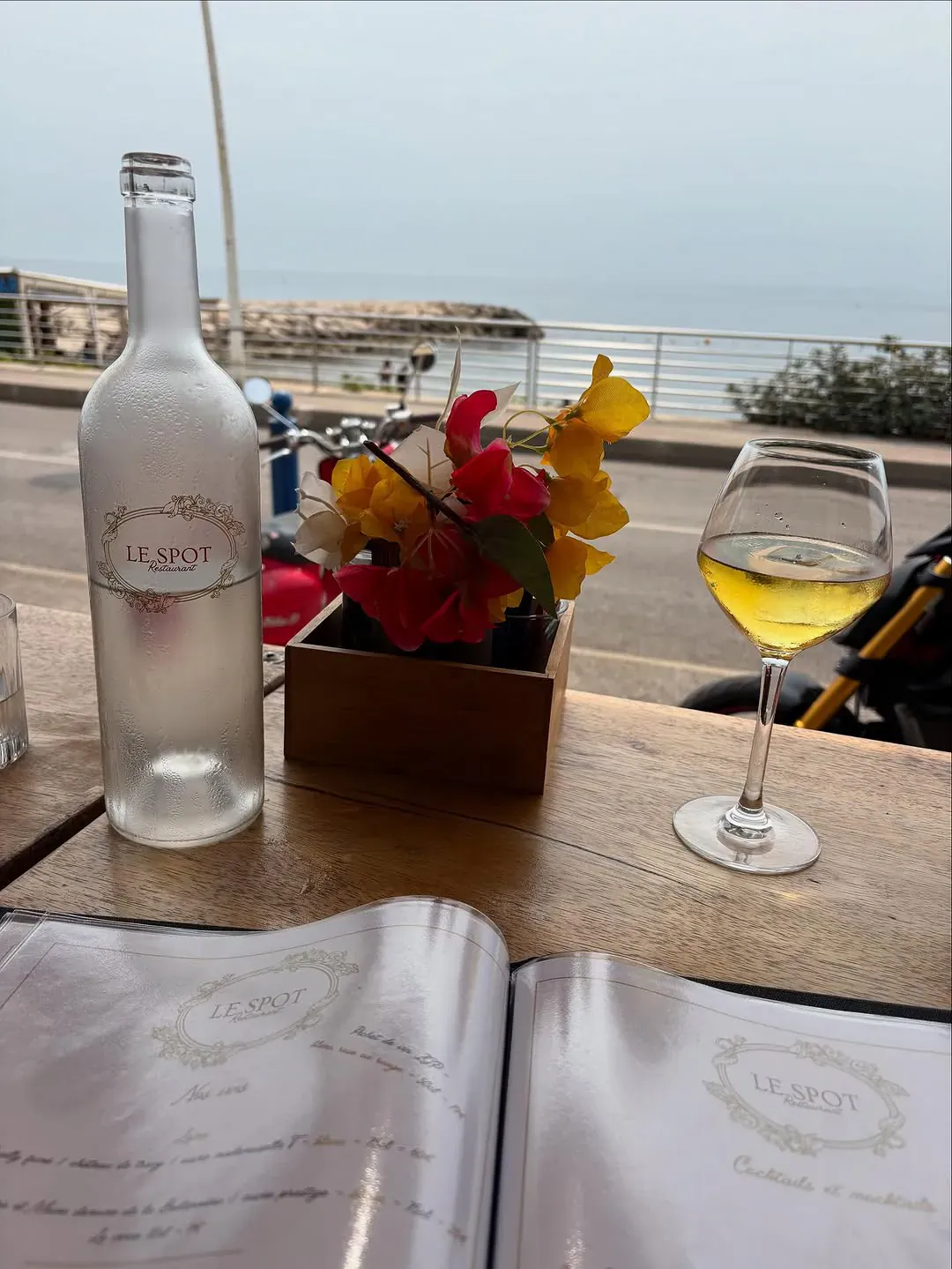
Seaside table set with a glass of chilled white wine, the ideal pairing for plancha grills

Pairings: fresh rosé, grilled vegetables and season

Brine and citrus call for freshness. A well-chilled Provence rosé is the obvious partner, but a lively white — a Cassis, a Coteaux d'Aix — also works wonders on whole fish or shellfish.

On the plate, everything happens on the same plancha: grilled courgettes, peppers and tomatoes, a lemony rice, a crisp salad, an aïoli. Simple, colourful, and it keeps the seafood centre stage.

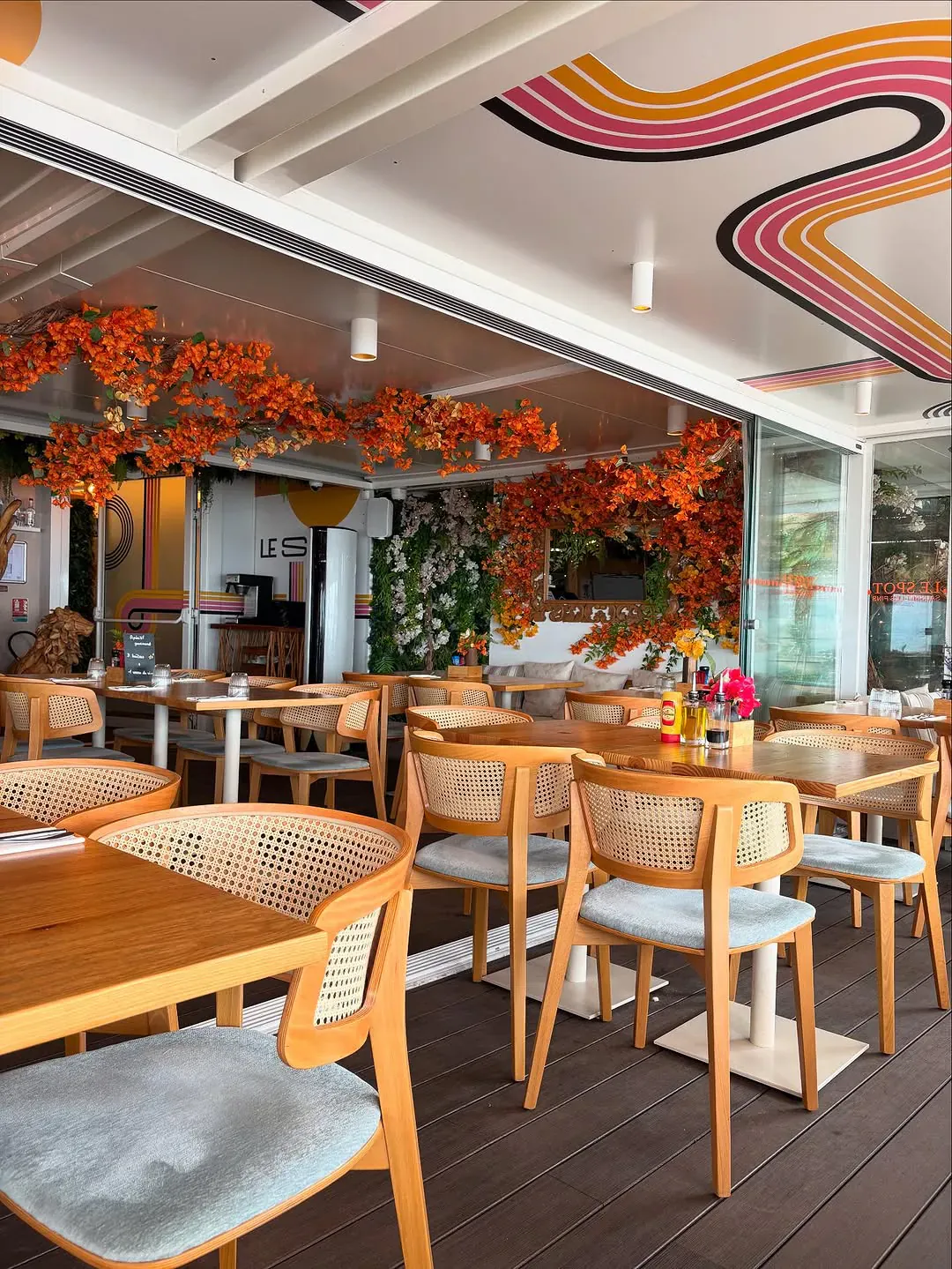
Le Spot restaurant terrace facing the Mediterranean in Sausset-les-Pins

Fancy the real plancha experience by the sea?

You can do it all at home — that is what this guide is for. But nothing replaces the sizzle of the plate, the rising aroma and the Mediterranean right in front of you. At Le Spot in Sausset-les-Pins, the plancha of the day is served on the terrace, with the harbour's daily catch and a chilled rosé.

Frequently asked questions

Which fish work best on the plancha?

Firm-skinned whole fish like sea bream and sea bass are ideal: the skin protects the flesh and turns crisp. Tuna or swordfish steaks, prawns, pre-cooked octopus, cuttlefish and calamari also work very well. Avoid very fragile fish that fall apart when handled.

How do you grill prawns without drying them out?

Cook them whole, in the shell, two to three minutes per side on a scorching plate, and remove them as soon as the shell turns orange-red. As they keep cooking off the heat, pull them a little early. A squeeze of lemon and persillade at serving is enough.

What Mediterranean marinade for the plancha?

The base is olive oil, garlic, flat-leaf parsley, lemon and sea salt. You can add Espelette pepper, smoked paprika, herbes de Provence or lemon zest. Don't exceed fifteen to thirty minutes: too much lemon "cooks" the flesh and makes it floury.

Plancha or barbecue for fish?

The plancha suits fragile fish better: its solid, scorching surface sears without the flesh sticking or falling between bars, and it captures the juices. The barbecue adds a stronger smoky note but needs more skill with delicate seafood.

What temperature for plancha cooking?

Between 250 and 300 °C. The plate must be truly hot before you place the product: a water drop should dance and evaporate at once. A lukewarm plate makes food stick and steam instead of searing.

How do you stop food sticking to the plancha?

Three conditions: a hot plate, a dry product (pat it), and a drizzle of oil on the product rather than the plate. Then don't move it too soon: once the crust is seared, it lifts off by itself.

Where to enjoy plancha-grilled seafood on the Côte Bleue?

At Le Spot, 1 Avenue Jules Ferry in Sausset-les-Pins, the plancha of the day is served on the terrace facing the Mediterranean, with daily deliveries from the harbour: whole sea bream and sea bass, octopus and cuttlefish in persillade, grilled prawns and calamari.

Go further

The house pillar

To learn everything about our seafood, its origins and our cooking, see the dedicated page:

fruits de mer grillés à la plancha Côte Bleue
Visit Us

Come Meet Us

Address

1 Avenue Jules Ferry
13960 Sausset-les-Pins
France

Get Directions →

Hours

Every day

08h00 - 23h00

Brunch: Tue-Sun 9am-11am